
What is Spirulina?
All About Spirulina.
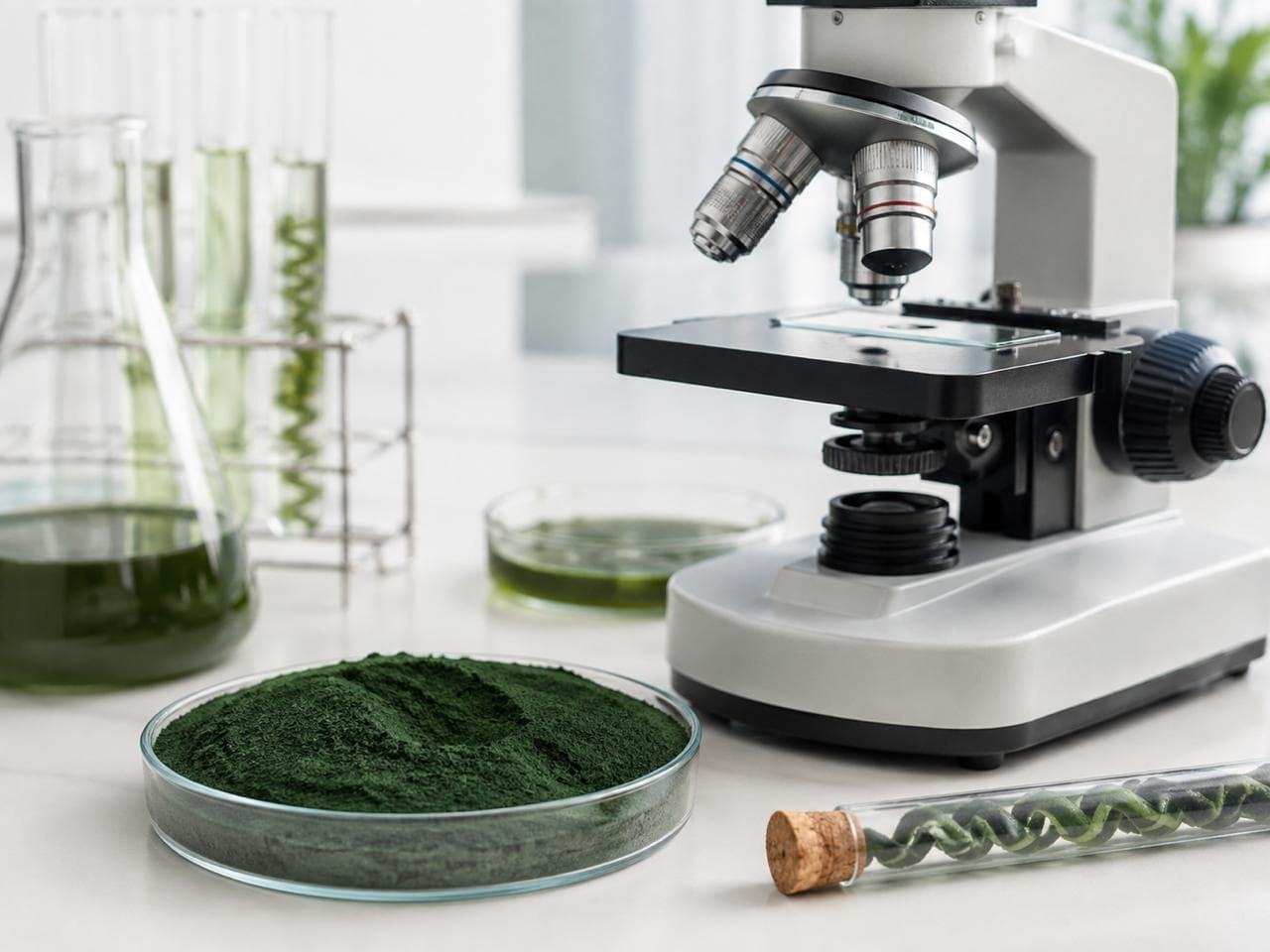
Spirulina is the commonly used name for the edible biomass of Arthrospira — a naturally occurring, photosynthetic cyanobacterium cultivated for food, nutraceutical and wellness applications.
01
All About Spirulina
Spirulina is the commonly used name for the edible biomass of Arthrospira, a group of naturally occurring, photosynthetic cyanobacteria often referred to as blue-green microalgae. Arthrospira platensis is one of the most widely cultivated species used in food, nutraceutical and wellness applications.
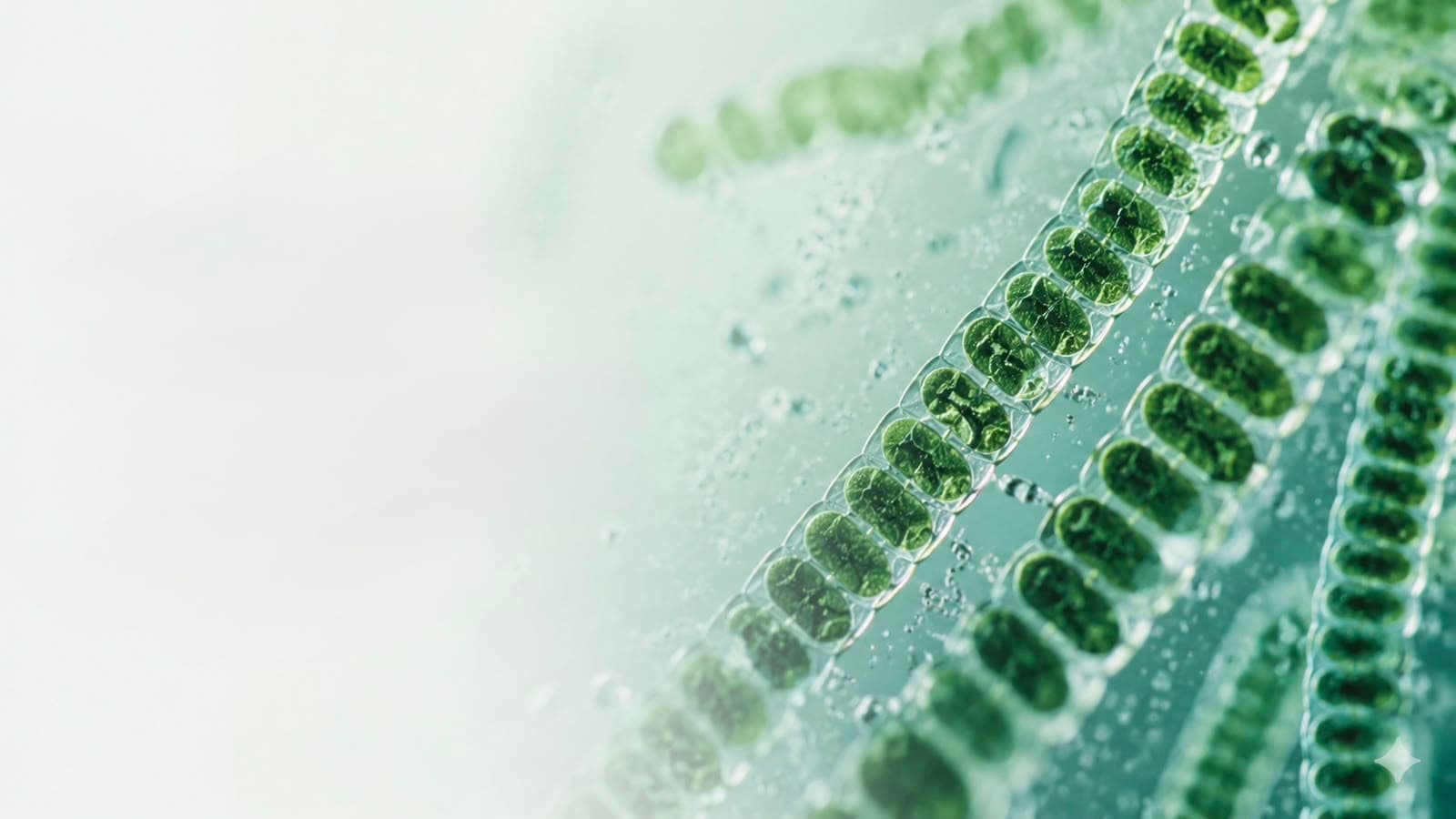
Under a microscope, spirulina reveals its characteristic filamentous, spiral-like structure — the feature from which its familiar name originates. Like plants, it uses photosynthesis to convert light into energy, allowing it to grow and develop in suitable aquatic environments.
What makes spirulina particularly distinctive is the concentration of naturally occurring nutrients within its biomass. It is known for its high protein content and contains naturally occurring pigments, essential amino acids, fatty acids, vitamins and minerals. Its characteristic blue-green appearance comes from its unique combination of pigments, including chlorophyll and phycocyanin.
Today, spirulina is cultivated around the world and used as an ingredient across nutritional supplements, functional foods and other nutrition-focused applications. Its composition, however, is influenced by how it is cultivated, harvested, processed and stored — making production conditions an important part of the finished ingredient.
02
Quality
Quality begins long before the finished powder.
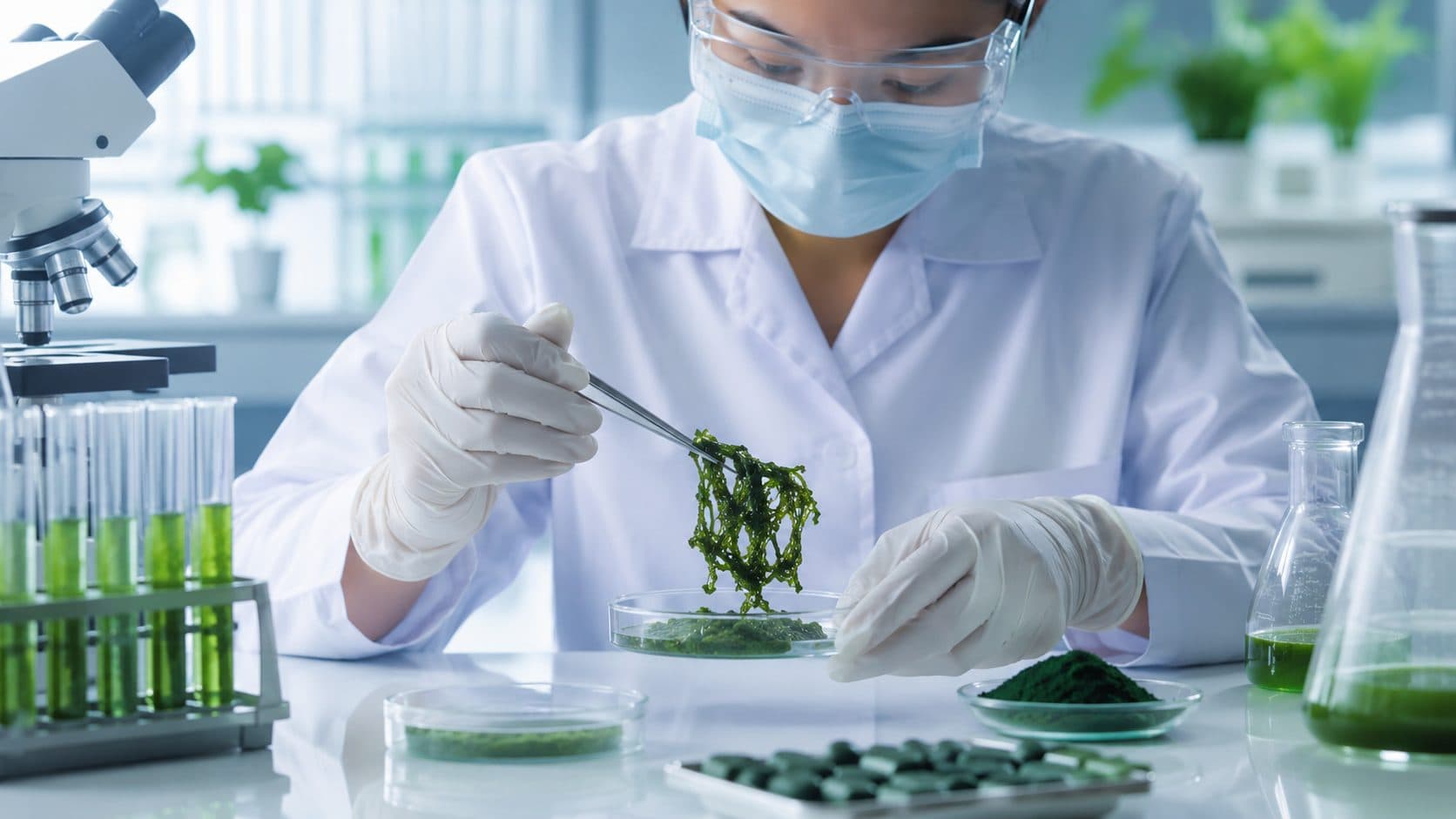
Not all spirulina is the same. The characteristics of finished spirulina are influenced throughout its journey — from the cultivation environment and quality of inputs to harvesting, processing, drying and storage.
Factors such as light, temperature and cultivation conditions can influence biomass productivity as well as aspects of spirulina's composition. After harvest, processing and storage become equally important in maintaining the characteristics of the biomass.
For an ingredient manufacturer, quality therefore goes beyond appearance alone. It requires control across the process, together with appropriate testing for microbiological quality, contaminants and other specifications relevant to the intended application.
A well-controlled process is designed to deliver spirulina that is clean, consistent and dependable from batch to batch.
At Alvara, we believe quality is not something tested only at the end — it is something built into every stage.
03
Taste
A naturally distinctive taste.
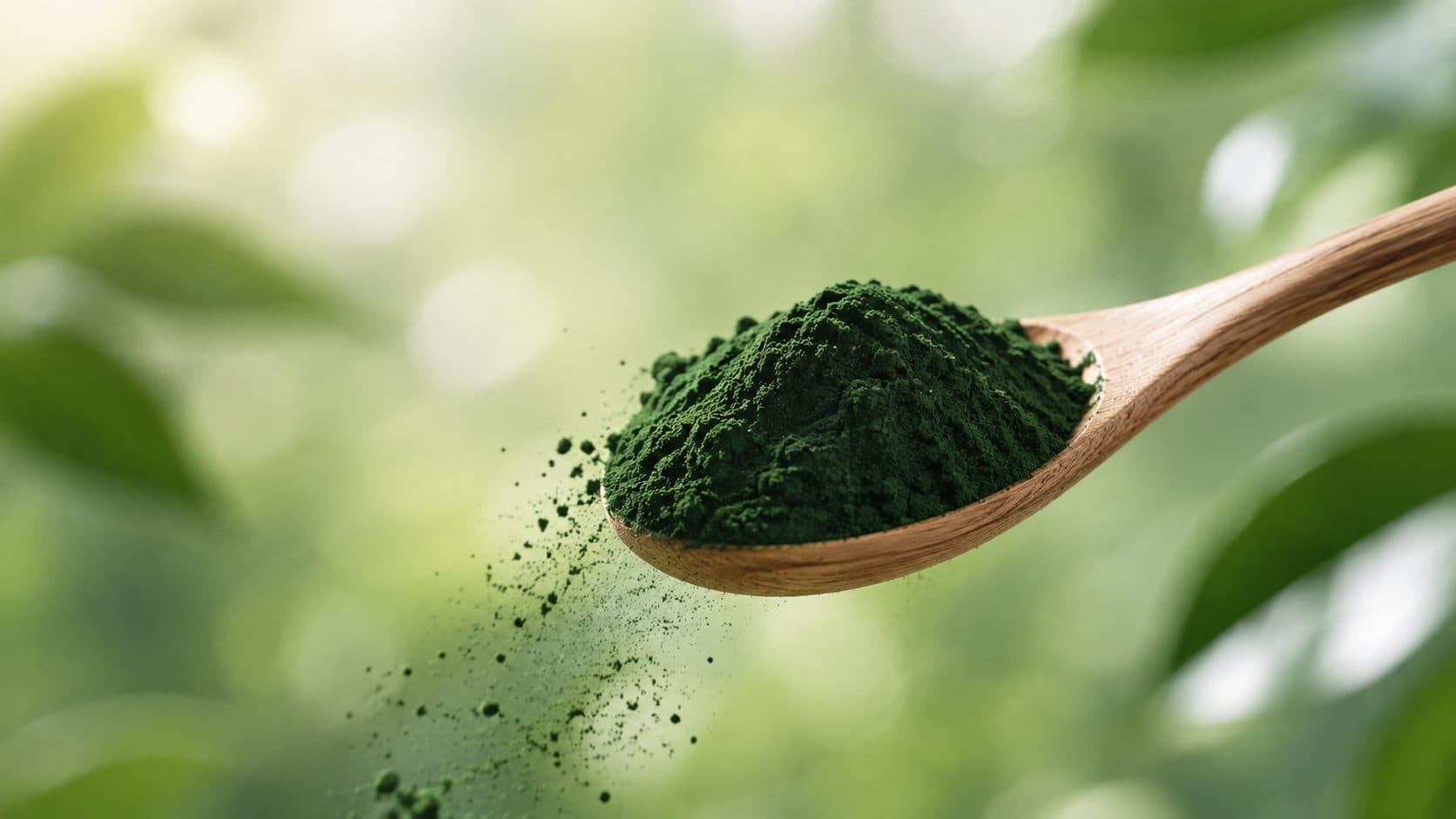
Spirulina has its own characteristic sensory profile. Depending on the material and how it has been produced, its taste can include earthy, umami and slightly bitter or astringent notes.
These characteristics are influenced by the natural composition of the biomass as well as cultivation, harvesting and post-harvest processing. Research into spirulina's sensory chemistry shows that amino-acid composition, lipid oxidation and other biochemical changes can contribute to its characteristic flavour profile.
For food and beverage applications, this matters. A cleaner and more controlled sensory profile can make spirulina easier to formulate into nutritional products, while excessively strong or undesirable notes may become more noticeable in the finished application.
This is why careful cultivation and processing are important not only for nutritional integrity, but also for the sensory characteristics of the final ingredient.
04
Colour
Naturally blue-green.
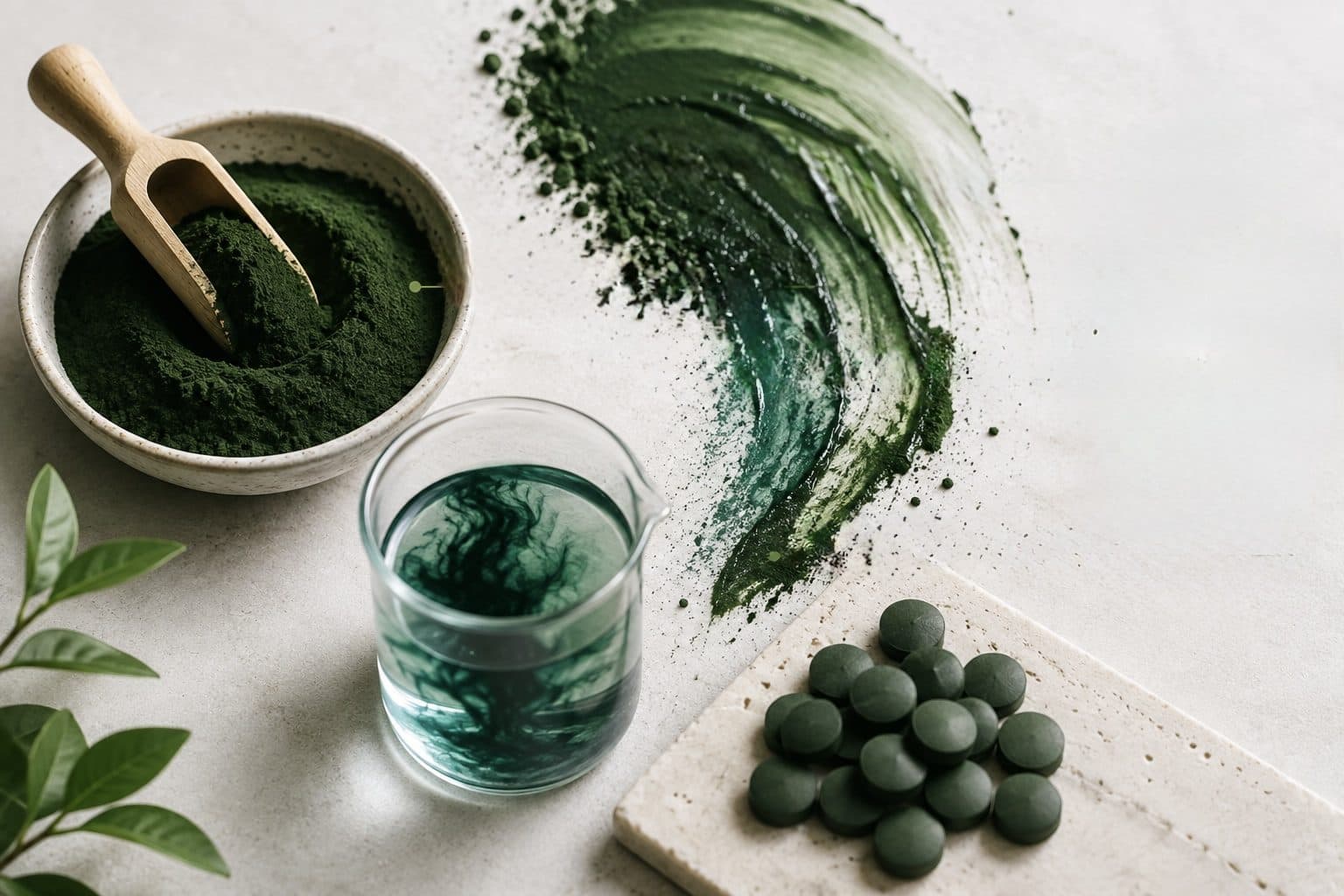
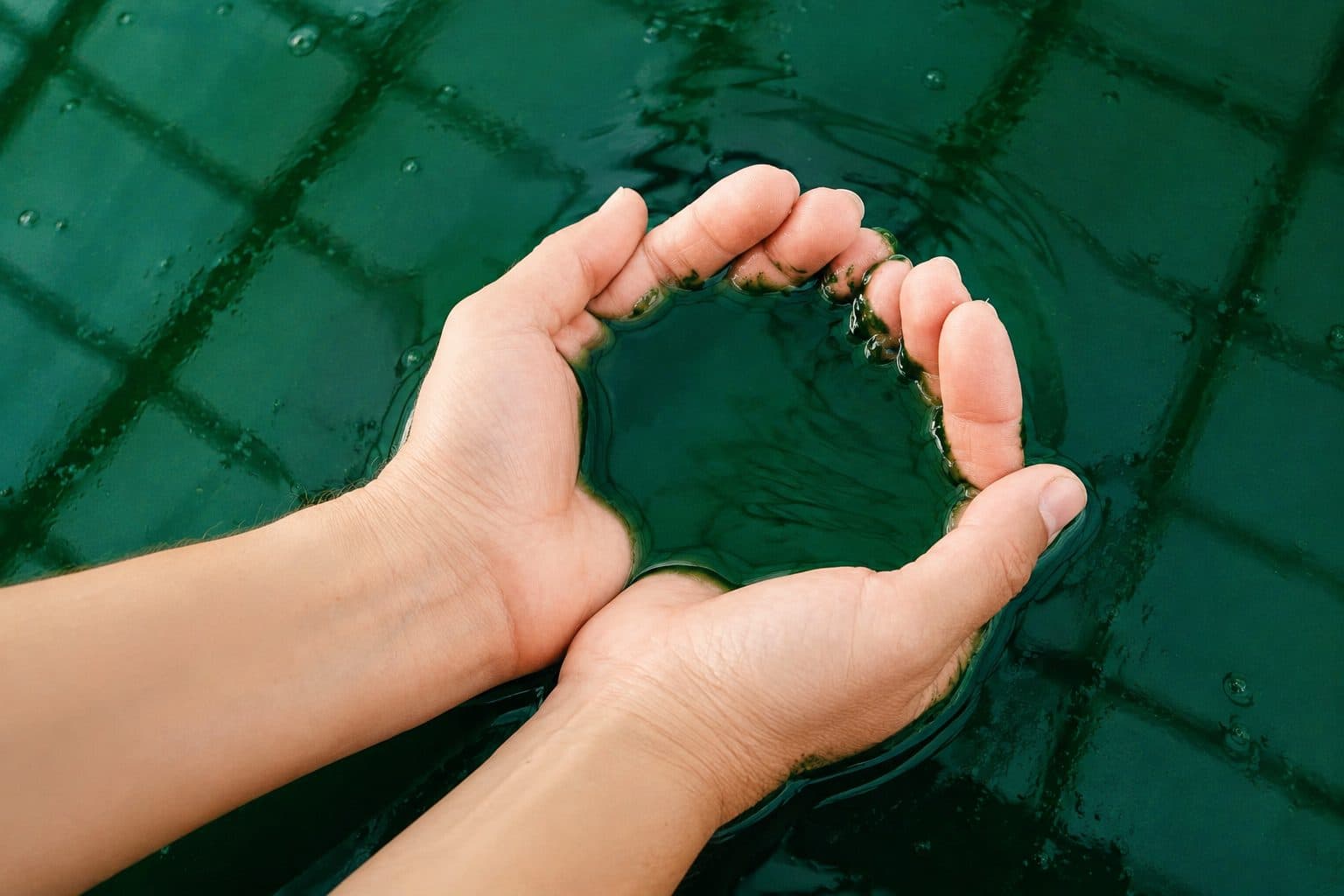
Colour is one of spirulina's most recognisable characteristics. Its distinctive appearance comes from the naturally occurring pigments present within the biomass. These include chlorophylls, carotenoids and phycobiliproteins, which together contribute to spirulina's characteristic green to blue-green colour.
The appearance of finished spirulina can vary depending on the strain, cultivation conditions, pigment composition and processing methods used.
This makes colour more than simply a visual characteristic. For ingredient manufacturers, it can also be an important part of maintaining product consistency from one batch to another.
Careful processing is particularly important because the finished ingredient should retain the natural characteristics of the cultivated biomass as effectively as possible.
05
Aroma
Characteristic, but never overlooked.
Like taste and colour, aroma forms part of spirulina's natural sensory identity. Spirulina can have characteristic algal, earthy or marine-like aromatic notes, arising from naturally occurring volatile compounds within the biomass.
The intensity and character of these notes can vary according to cultivation conditions, harvesting, processing and storage. Research has shown that a range of volatile compounds contribute to spirulina's aroma, while biochemical changes during processing and storage can alter the finished sensory profile.
For this reason, aroma is not merely a matter of preference. It is another characteristic that can provide useful information about the consistency and handling of an ingredient.
For applications where spirulina becomes part of a larger formulation, maintaining a controlled and consistent sensory profile is particularly important.
Spirulina, understood from the source.
From its microscopic spiral structure to its distinctive colour, taste and aroma, spirulina is shaped by both its biology and the way it is cultivated and processed.
Understanding these characteristics is the first step toward understanding the ingredient itself.