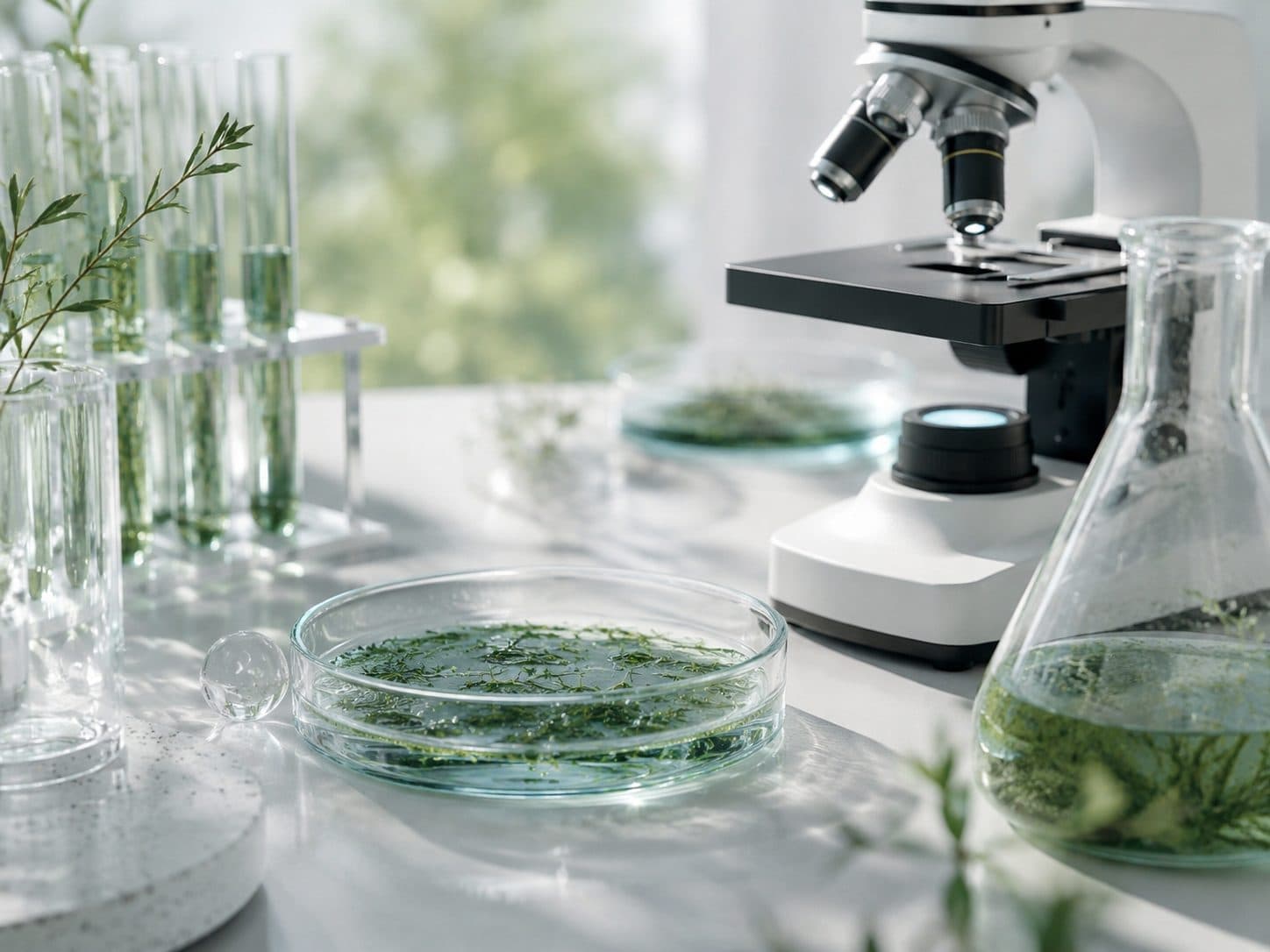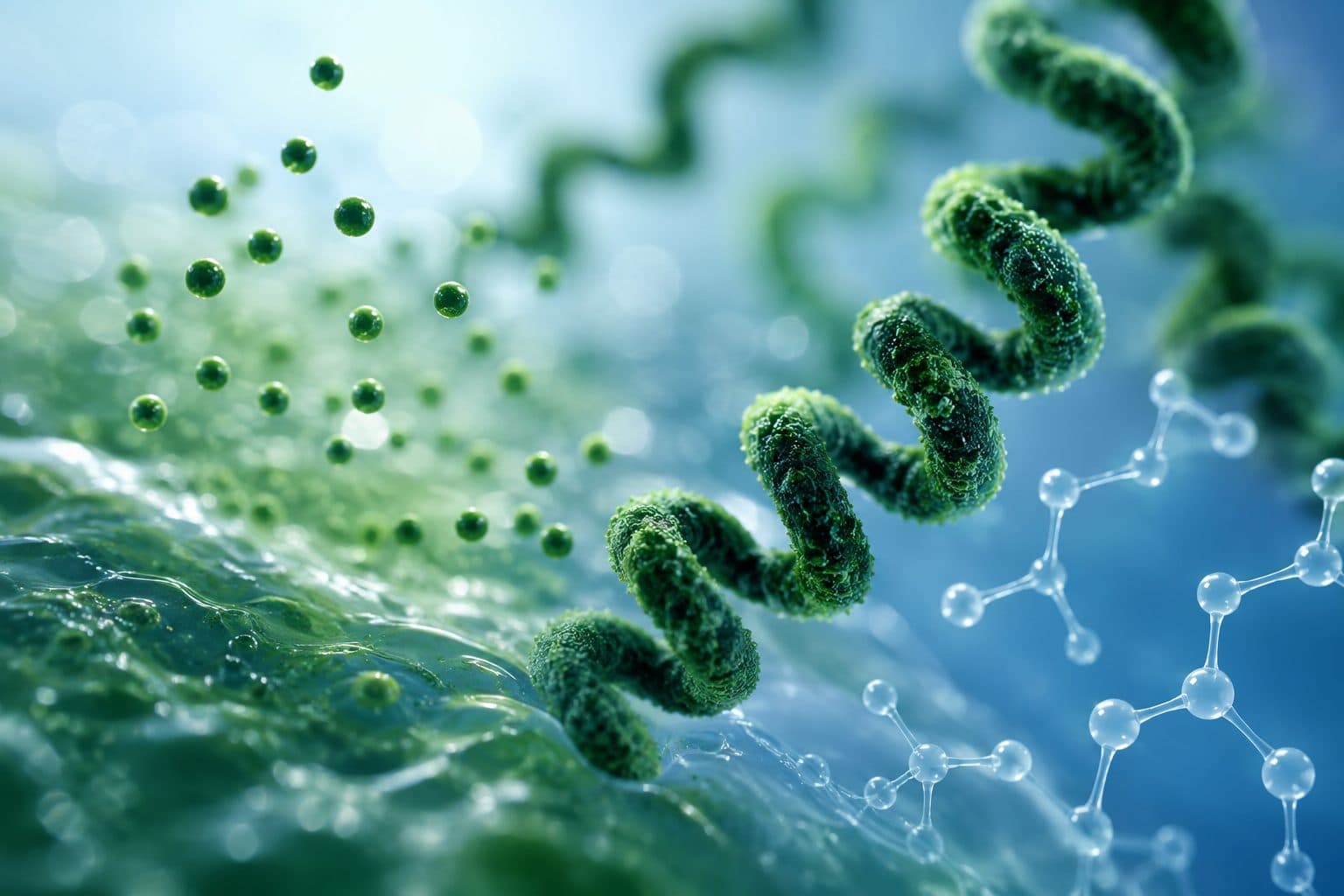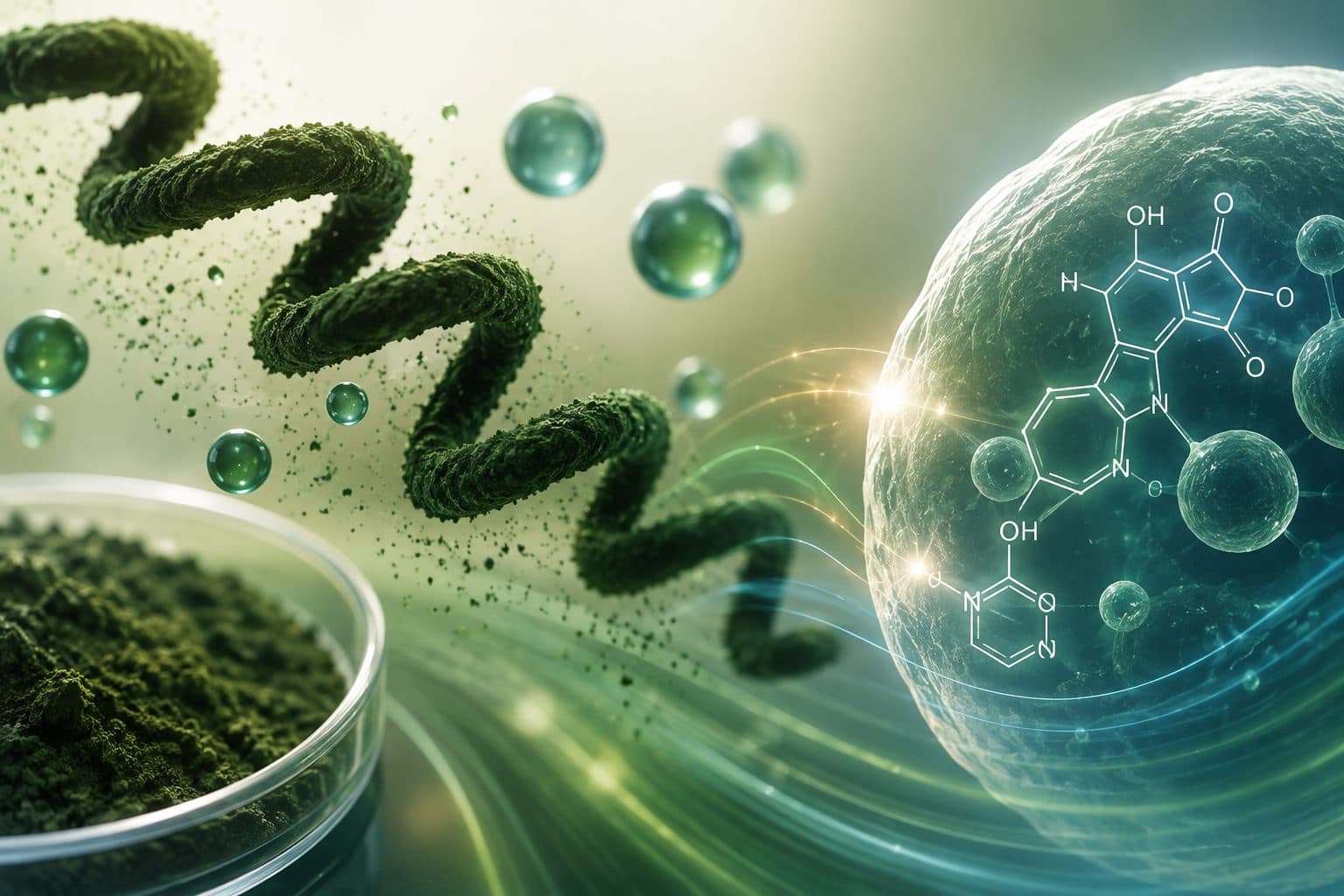
Microalgae Beyond Nutrition: Where Innovation Is Heading
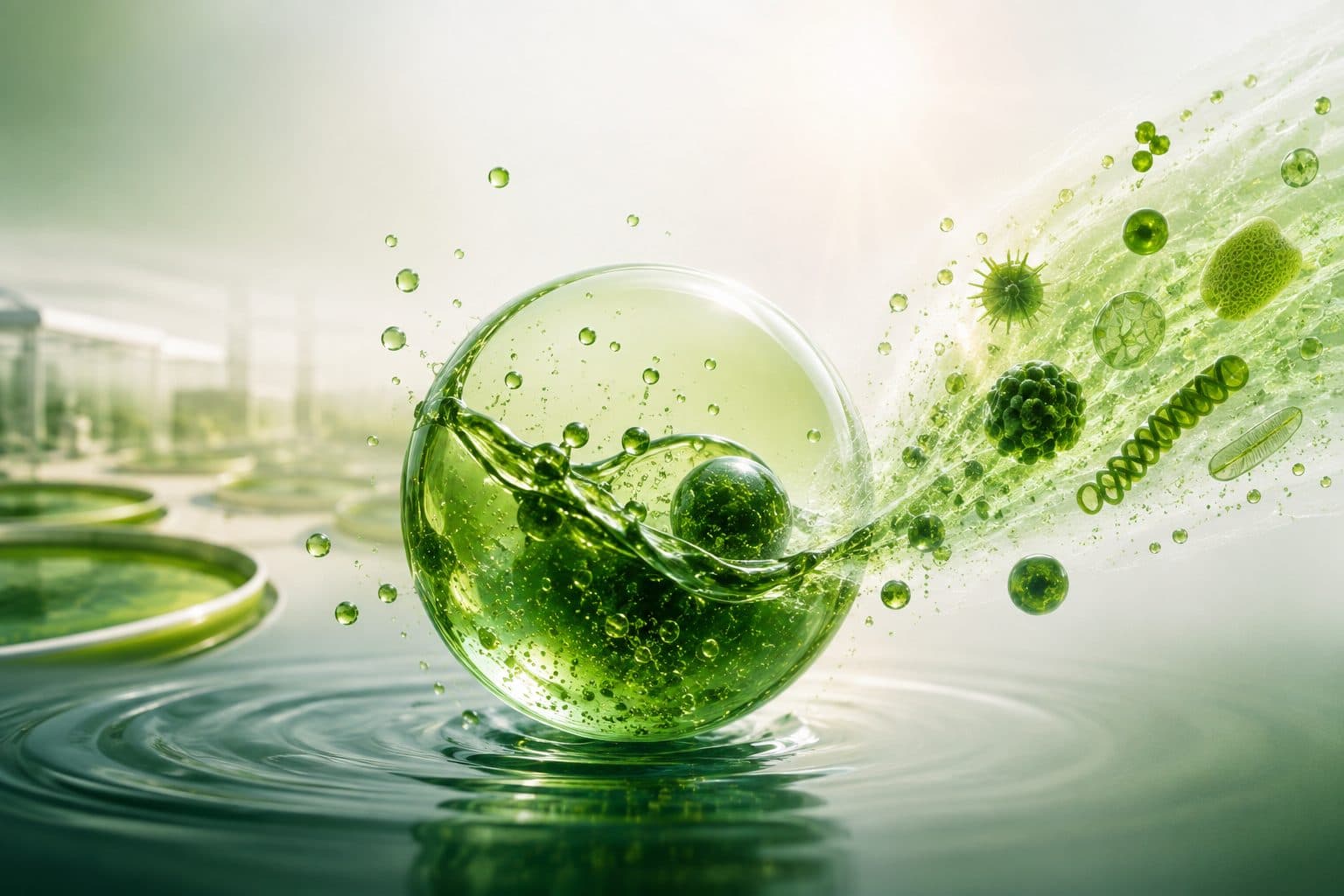
When people hear “microalgae,” nutrition may be the first application that comes to mind. But microalgae are far more biologically diverse than a single food category suggests.
Their ability to produce proteins, pigments, lipids and other naturally occurring compounds has made them relevant across a much wider innovation landscape.
For ingredient manufacturers, this raises an interesting question: what else can microalgae become?
- Microalgae have applications far beyond nutritional supplements.
- Whole biomass and extracted compounds represent different commercial opportunities.
- Natural pigments are one of the most visible areas of microalgae innovation.
- Feed, aquaculture, personal care and biotechnology can create additional application pathways.
- Better processing and fractionation may unlock more specialised ingredients.
- Future microalgae products may increasingly be designed around specific functionality rather than species alone.
Microalgae Are Biological Production Systems
Microalgae use light and nutrients to grow and produce biomass. Within that biomass are compounds created through the organism’s own biological processes.
Different microalgae species can contain different:
- Proteins
- Pigments
- Fatty acids
- Carbohydrates
- Other cellular components
This makes microalgae interesting not simply as organisms to consume, but as biological platforms capable of producing useful compounds.
Natural Pigments Are One of the Most Visible Opportunities
Colour is already one of the most commercially interesting areas. Different microalgae can produce distinctive pigments, and in spirulina, C-phycocyanin is particularly notable because of its vivid blue appearance.
Pigment applications can potentially extend across:
- Food
- Beverages
- Confectionery
- Nutritional products
- Selected cosmetic applications
This allows microalgae to participate in industries that might otherwise have little connection to conventional spirulina powder.
Whole Biomass and Extracted Ingredients Are Different Opportunities
Microalgae can be used as whole biomass, or as a source from which individual fractions are isolated.
Whole spirulina provides a complex nutritional ingredient. Extracted phycocyanin, by contrast, becomes a specialised pigment ingredient.
These are fundamentally different commercial products even though they originate from the same organism. The ability to work at both levels expands the innovation landscape considerably.
Ingredient Fractionation May Create New Categories
As processing technologies improve, manufacturers may increasingly separate or concentrate particular components within microalgae. Future innovation could involve ingredients selected around:
- Pigment concentration
- Protein fractions
- Lipid fractions
- Specific physical characteristics
- Application-specific functionality
This moves microalgae closer to the broader world of ingredient science.
Food Technology Is Only One Part of the Story
Microalgae research and development extends beyond food. Depending on species and technology, microalgae have been investigated for applications associated with areas such as:
- Feed
- Aquaculture
- Cosmetics
- Biotechnology
- Materials
- Energy
- Environmental technologies
Not every experimental application will become commercially significant. But the diversity itself demonstrates how flexible microalgae biology can be.
Aquaculture Creates a Natural Link
Aquaculture represents a particularly logical application area. Microalgae already form part of aquatic ecosystems and can participate in feed systems for selected aquatic organisms. This creates opportunities around:
- Nutritional supplementation
- Feed formulation
- Pigment-related applications
- Aquaculture ingredient development
The requirements are very different from human nutrition, but the underlying biological source remains microalgae.
Cosmetics and Personal Care Are Exploring Natural Ingredients
Natural pigments and botanical or microalgal ingredients have also attracted attention within personal care. Here, the commercial requirements are different again — colour, composition, stability, processing and regulatory suitability all matter.
The broader lesson is that microalgae can potentially serve multiple industries when the ingredient is developed for the intended application.
Biotechnology May Unlock More Specialised Uses
As analytical tools and bioprocessing technologies become more sophisticated, researchers can study microalgae at increasingly detailed levels. Instead of treating the organism as one undifferentiated biomass, scientists can examine:
- Individual compounds
- Cellular pathways
- Pigment systems
- Growth responses
- Extraction opportunities
That deeper understanding could lead to specialised ingredients that look very different from today’s conventional spirulina powder.
Processing Will Determine Commercial Possibility
Biological potential is only one part of innovation. A useful compound still needs to be:
- Produced consistently
- Isolated or preserved appropriately
- Stabilised
- Standardised
- Manufactured at commercial scale
- Supported by suitable quality systems
This is where ingredient engineering becomes as important as biology.
The Future May Be Application-Specific Microalgae
Today, many microalgae ingredients are sold primarily by species. Tomorrow, they may increasingly be sold by function. Instead of simply “spirulina powder,” the market may develop more products positioned around:
- Beverage dispersibility
- Natural colour
- Specific pigment concentration
- Improved flow
- Food formulation
- Feed functionality
That would represent a significant evolution in the category.
Conclusion
Microalgae are easy to underestimate because they are microscopic. Yet within these organisms exists remarkable biological complexity.
As science and processing technologies advance, that complexity can increasingly be translated into new ingredients, new applications and potentially entirely new categories.
The next stage of microalgae innovation may therefore extend far beyond the familiar world of green nutritional powders.
Are microalgae only used in food and supplements?
No. Depending on the species and the technology involved, microalgae have been investigated across feed, aquaculture, cosmetics, biotechnology, materials, energy and environmental applications.
What is the difference between whole biomass and an extracted ingredient?
Whole biomass keeps the organism’s full composition together in one ingredient. An extracted fraction, such as phycocyanin, isolates a single component and becomes a specialised ingredient in its own right.